
From The Archives: Clinical Brief

It’s been a dense week at the intersection of metabolic pharmacology and regulatory action. Two major FDA approvals — one a genuine access story, one a convenience play — landed alongside a genetics paper that should give every GLP-1 prescriber pause, a Stanford peptide discovery that will be overhyped in the press but deserves a measured look, and a Vanderbilt body-composition study that puts the muscle-loss debate on firmer empirical ground.
The GLP-1 You’re Prescribing May Not Work for One in Ten of Your Patients

A decade-long international collaboration published April 10 in Genome Medicine has identified a set of genetic variants — carried by roughly 10% of the general population — that appear to blunt the blood-glucose-lowering effect of GLP-1 receptor agonists in patients with type 2 diabetes. Researchers from Stanford, ETH Zurich, Adelaide University, and the University of Parma combined human clinical trial data, animal experiments, and pharmacogenomic analysis to characterize what they’re calling “GLP-1 resistance”: a state in which circulating GLP-1 hormone levels are elevated but biologically less effective. In clinical trial data, patients carrying these variants failed to lower their HbA1c as effectively as non-carriers after six months on GLP-1 drugs. Senior author Anna Gloyn of Stanford Medicine framed this as a precision medicine opportunity — knowing a patient’s genotype ahead of time could prevent months of ineffective therapy and speed time to the right drug. The critical caveat: the study focused specifically on glycemic outcomes, not weight loss. Whether these variants similarly blunt weight loss at the higher doses used in obesity treatment remains an open and clinically important question. For now, prescribers can’t yet order a clinically validated genotype panel before initiating a GLP-1.
🔗 Stanford Medicine News | Genome Medicine (original study)
Generic Dapagliflozin Is Here — and the Access Implications Are Real
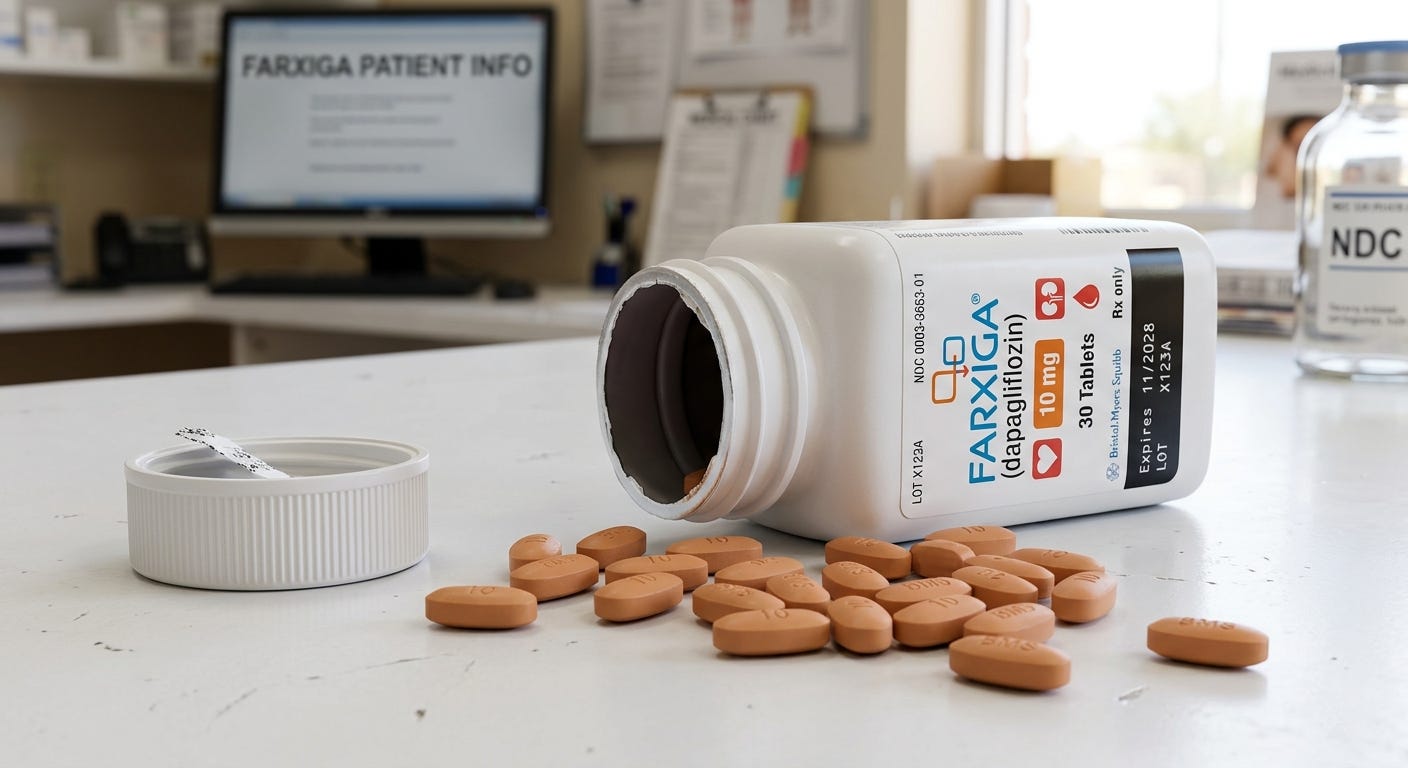
On April 7, the FDA approved the first true generic versions of dapagliflozin (brand name Farxiga), clearing multiple manufacturers to bring lower-cost SGLT2 inhibitor tablets to the US market. The approvals cover two indications: glycemic control as an adjunct to diet and exercise in adults with type 2 diabetes, and reduction of heart failure hospitalization risk in patients with T2D who have established cardiovascular disease or multiple cardiovascular risk factors. Dapagliflozin has robust outcome trial data behind it — it’s one of the best-evidenced drugs in metabolic medicine for cardiorenal protection — and cost has been a meaningful barrier. Notably, the generic label currently excludes several of the branded product’s approved indications, including the chronic kidney disease indication, which clinicians should verify before switching patients who are prescribed dapagliflozin specifically for CKD.
🔗 FDA Drug Alert | Pharmaceutical Technology
GLP-1s and Bariatric Surgery Produce Comparable Body Composition Changes — Including Lean Mass Loss

A retrospective study from Vanderbilt University Medical Center, published in JAMA Network Open, compared body composition changes over 24 months in 1,257 patients who underwent bariatric surgery and 1,809 patients treated with semaglutide or tirzepatide. The main finding: both interventions produced substantial fat mass reduction alongside a smaller but consistent decline in fat-free mass — including lean muscle. The pattern was similar regardless of whether patients had surgery or took a GLP-1 drug. This matters because lean mass is independently protective against all-cause mortality in patients with obesity. The study used bioelectrical impedance analysis rather than DEXA, which introduces measurement variability and limits precision — a meaningful limitation given that the degree of muscle loss is exactly what’s at issue. The authors appropriately flag the need for more rigorous real-world body composition data. For clinicians, this study doesn’t change prescribing decisions: resistance training and adequate protein intake during treatment are part of the treatment plan.
🔗 ScienceDaily / Vanderbilt | JAMA Network Open (DOI)
Lilly’s Oral GLP-1 Pill Foundayo Gets FDA Green Light — Convenience, Not Efficacy, Is the Story
On April 1, the FDA approved Eli Lilly’s orforglipron (brand name Foundayo), making it the second oral GLP-1 receptor agonist approved for obesity management in the US, following Novo Nordisk’s oral semaglutide in December 2025. Foundayo is notable for being a small-molecule, non-peptide GLP-1 agonist — meaning it can be taken at any time of day without the food and water restrictions that complicate oral semaglutide dosing. It’s also among the first drugs approved under the FDA’s new Commissioner’s National Priority Voucher program, which is designed to accelerate access for high-priority treatments. Phase 3 data showed orforglipron lowers blood glucose at least comparably to oral semaglutide. Industry analysts project significant market share, with Clarivate estimating over $11 billion in G7 obesity market sales by 2031. The clinical caveat is that orforglipron’s long-term cardiovascular outcome data is not yet available as the drug competes in a market where semaglutide has SELECT trial cardiovascular data behind it. Prescribers should not assume cardiovascular benefit class equivalence until those trials report.
🔗 Medical News Today | DCAT Value Chain Insights
AI-Identified Peptide “BRP” Mimics GLP-1 Weight Loss in Animals — Without the Side Effects
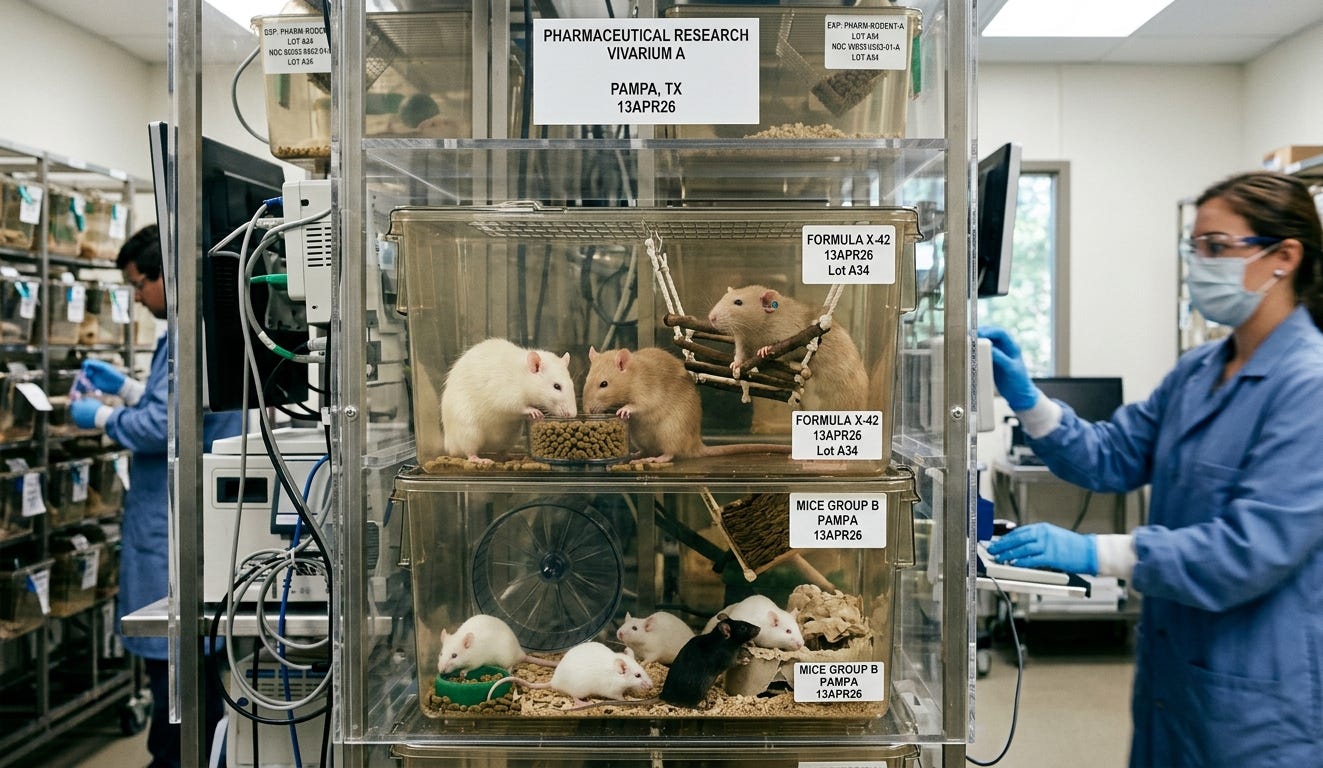
Stanford Medicine researchers published a study in Nature describing a naturally occurring peptide called BRP that reduced appetite and body weight in animal models while appearing to avoid several common GLP-1 side effects — specifically nausea, constipation, and lean mass loss. BRP was identified using an AI screening approach that sorted through a large library of prohormones — inactive precursor molecules that can be cleaved into functional peptide hormones. Unlike semaglutide, which acts on GLP-1 receptors distributed broadly across the gut, pancreas, and brain, BRP appears to act specifically in the hypothalamus, potentially explaining the more targeted appetite effect and reduced peripheral side effects in rodents. Senior author Katrin Svensson has also co-founded a company planning human clinical trials. BRP is genuinely interesting basic science; whether it translates is a question that clinical trials — likely years away from answering — will have to resolve. Watch this space, but don’t get ahead of the evidence.
🔗 ScienceDaily / Stanford Medicine
This newsletter summarizes recent research and news for informational and educational purposes only and does not constitute medical advice. Always consult a qualified healthcare professional for personal medical decisions.
Subscribe at The Metabolic Archives. Forward to a colleague who should be reading this.