
On a Tight Budget? You Don't Have to Buy Everything Organic
A science-based guide to where the premium is worth it — and where it isn't

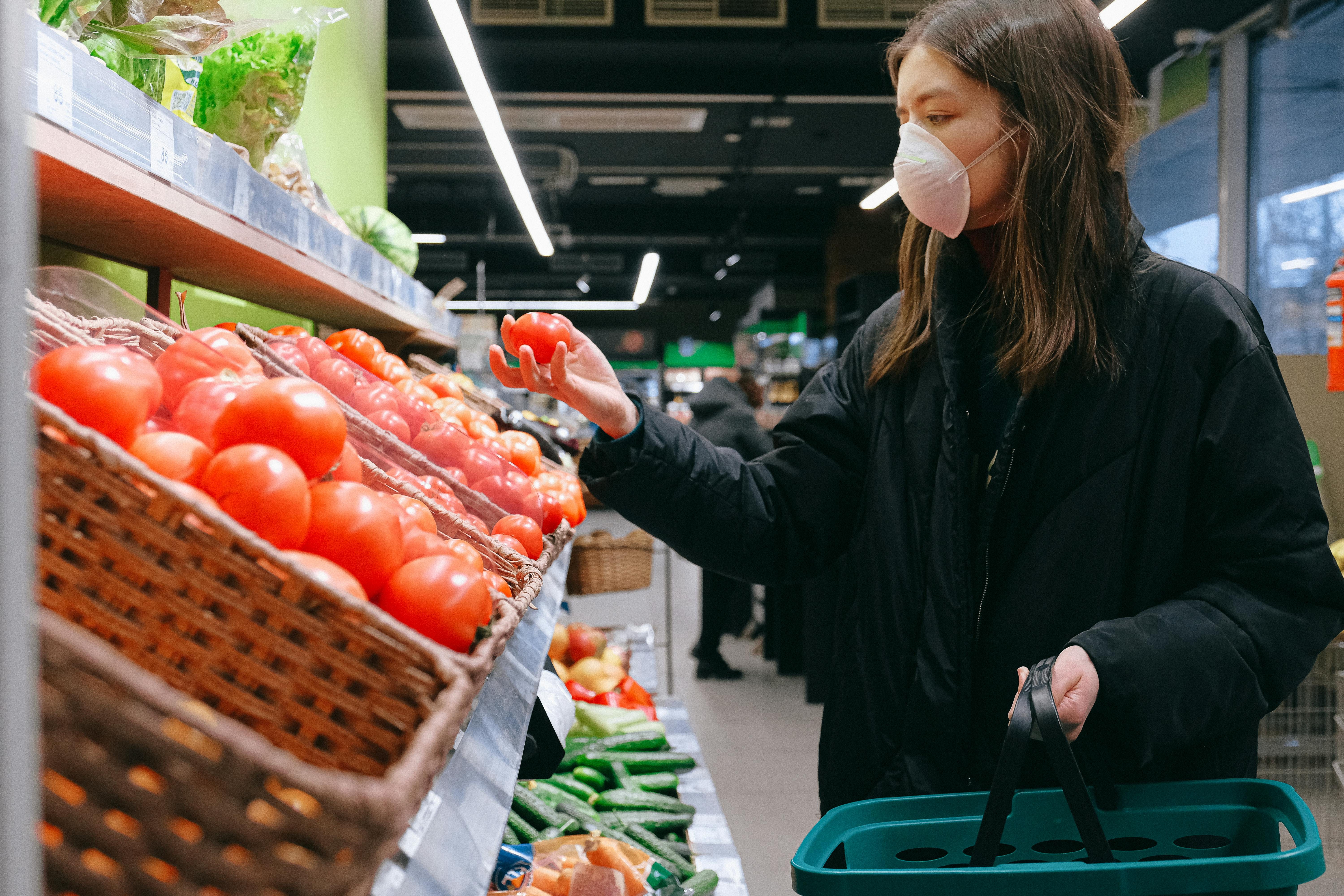
Imagine you’re standing shopping for produce. On the one hand is regular produce, on the other the more expensive organic one. You have three kids at home. The budget is tight. Somewhere in the back of your mind, there’s a low-grade anxiety: am I cutting corners on my family’s health?
By the end of this piece, you’ll have an evidence-grounded framework for when it makes sense to pay more for organic choices.
What the Organic Label Actually Means
The USDA organic label establishes prohibited practices during production: synthetic pesticides, synthetic fertilizers, genetic engineering, irradiation, and sewage sludge. It says nothing about caloric content, degree of processing, or health outcome.
There are also three legally distinct tiers of organic labeling that most consumers conflate. “100% Organic” means every ingredient is organic. “Organic” means at least 95% of ingredients are organic, this product can carry the USDA seal. “Made with Organic Ingredients” means at least 70% of ingredients qualify, but the product cannot carry the USDA seal.
Where the Premium Is Supported by Evidence
Thin-Skinned Produce
The primary, best-documented benefit of choosing organic produce is reduced pesticide residue exposure. A 2015 systematic review and meta-analysis published in the British Journal of Nutrition (Średnicka-Tober et al.) found that organic crops are approximately four times less likely to carry detectable pesticide residues than conventionally grown equivalents.
Thin-skinned produce, strawberries, spinach, peaches, cherries, grapes, and bell peppers, absorbs surface-applied pesticides that cannot be fully washed or peeled. These are the categories where paying the organic premium can be justified.
The Environmental Working Group publishes an annual Dirty Dozen list that prioritizes produce by residue load. But detecting a pesticide residue is not the same as proving harm at that dose. What the list does accurately convey is relative ranking: these are the produce categories with the highest residue frequency, and the most reasonable candidates for organic prioritization if your budget is limited.
One important distinction: organophosphate and pyrethroid pesticides, classes commonly found on conventional produce, act as endocrine disruptors. There is evidence of interference in glucose metabolism and inflammatory signaling linked to insulin resistance, according to a 2022 review in Diabetology and Metabolic Syndrome (Miranda et al.). The epidemiological evidence for direct health outcomes at typical dietary exposure levels is observational and confounding; people who eat mostly organic tend to have healthier lifestyle profiles overall.
Full-Fat Dairy and Pasture-Raised Meat
A 2016 meta-analysis in the British Journal of Nutrition (Średnicka-Tober et al.) found that organic milk contains approximately 47% more omega-3 fatty acids and significantly higher conjugated linoleic acid (CLA) than conventional milk. The mechanism is related to mandatory pasture access under organic standards: cows on pasture consume forage high in alpha-linolenic acid, which translates into the fatty acid profile of their milk.
To put the absolute numbers in context: conventional whole milk contains approximately 0.1–0.2g of omega-3 per 100ml. A 47% increase brings organic whole milk to roughly 0.15–0.3g per 100ml. For someone who eats fatty fish regularly, the additional contribution is modest. For someone with little or no fish in their diet, it becomes more meaningful.
Note: this benefit applies to full-fat dairy. If you’re drinking skim or low-fat milk, the fatty acid advantage largely disappears regardless of the organic certification, because those compounds are in the fat.
If you enjoy evidence-based medical information, subscribe to receive these articles delivered to your mailbox every week.
Antibiotic Resistance
Organic livestock standards prohibit routine antibiotic use. A comprehensive 2017 review in Environmental Health (Mie et al.) found significantly lower prevalence of antibiotic-resistant organisms, including MRSA, in organic meat compared to conventional equivalents. This is a genuine public health benefit but it operates at the population level by reducing selection pressure for resistant organisms in the food system. It does not translate directly into measurable personal protection for the individual consumer.
Where the Premium Delivers Little
Thick-Skinned Produce
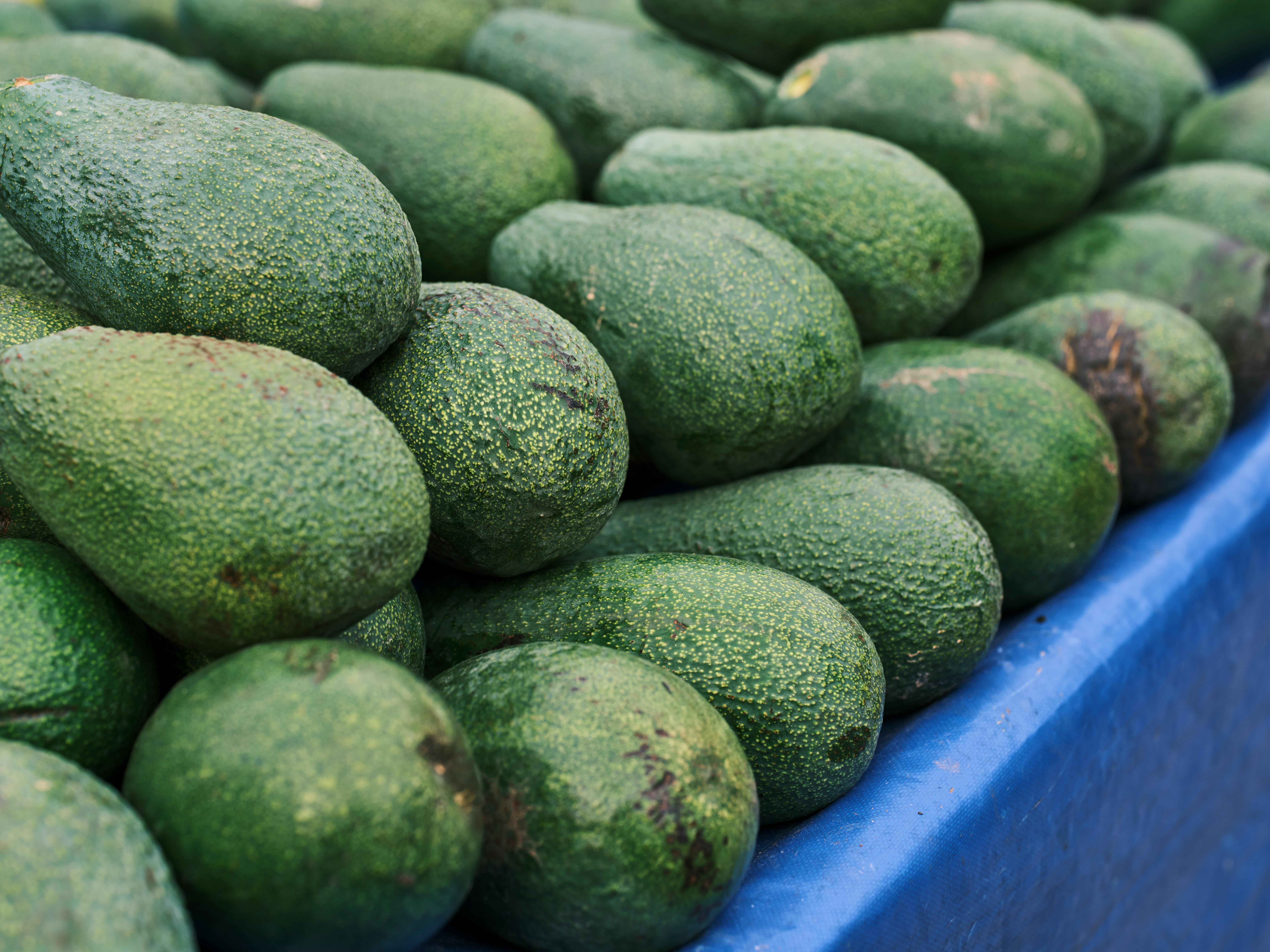
Avocados, pineapples, onions, melons, mangoes, and similar produce with substantial outer skin you remove before eating represent the clearest case against the organic premium. A 2012 study in Food Control (Bonnechère et al.) found that peeling reduces pesticide concentrations by more than 90% for many common fungicides and insecticides.
Root vegetables sit in slightly more ambiguous territory. Most fungicides and insecticides used in conventional root vegetable farming are surface-applied and substantially removed by peeling. Post-harvest treatments like chlorpropham, used in conventional potato storage to suppress sprouting, penetrate into the flesh and are not eliminated by peeling. This is important, particularly for people who eat potatoes frequently.
Organic Ultra-Processed Foods
A product can be simultaneously certified organic and qualify as an ultra-processed food (UPF) under standard nutritional classification criteria (NOVA), with sodium, added sugar, saturated fat, and caloric density indistinguishable from its conventional equivalent. Research published in Nutrients (Ropero et al., 2023) and in the American Journal of Clinical Nutrition (Touvier et al., 2022) confirms this across nutritional studies: organic certification does not meaningfully change the nutritional profile of processed products.
The practical implication is direct: read the ingredient list, not the front of the package. A certified organic breakfast cookie with organic cane sugar, organic refined wheat flour, organic palm oil, and a list of stabilizers is still an UPF breakfast cookie.
What Washing Does and Doesn’t Do

A 2017 study in the Journal of Agricultural and Food Chemistry (Yang et al.) found that a 1% baking soda solution, roughly one teaspoon per two cups of water, with a 12–15 minute soak removed approximately 80% of surface thiabendazole and approximately 96% of surface phosmet residues from apple surfaces, outperforming both plain water and bleach solution. The mechanism is alkaline degradation of pesticide compounds.
This study examined two surface-applied pesticides on one produce type; generalizations across the full range of pesticide-produce combinations have not been extensively validated. More importantly: systemic pesticides, which are incorporated into the flesh of the plant during growth, cannot be removed by any washing method.
The FDA recommends water washing only and does not endorse baking soda solutions for consumer use, reflecting the limited evidence base. The baking soda approach is a reasonable enhancement for conventional produce but not a reliable substitute for organic when dealing with high-residue items.
A Note on Children
Children consume more food relative to body weight than adults, which means proportionally higher pesticide intake from the same foods. Their hepatic enzyme systems are still maturing, reducing their capacity to metabolize and clear these compounds. According to the American Academy of Pediatrics’ policy statement on pesticide exposure in children (Pediatrics, 2012, with subsequent updates), corroborated by the 2017 Mie et al. review in Environmental Health, developmental vulnerability windows exist during which endocrine-disrupting exposures may disproportionately affect neurological and hormonal development.
This does not mean conventional produce is unsafe for children. It means the organic premium on the highest-residue items is justifiable for families with young children. If your budget requires prioritization, prioritize organic thin-skinned produce for children first.
A Note on Certification Integrity
The organic certification system is generally reliable. Domestic certification operates under reasonably robust USDA National Organic Program oversight. The caveat is imported products.
Imported organic goods rely on equivalency agreements with foreign certifying bodies of variable rigor. A 2017 USDA Office of Inspector General report identified meaningful weaknesses in National Organic Program oversight of certifying agents for imported products and a documented case in that same year involved approximately 36 million pounds of conventionally grown grain fraudulently certified and sold as organic in the U.S. market.
Organic products from domestic producers, farmers markets with certified growers, and established U.S. brands with transparent sourcing, carry more reliable certification integrity than imported organic commodity products from regions with less rigorous oversight infrastructure.
Your Decision Framework at the Grocery Store
1. Do you eat the skin? If yes lean organic. Thin-skinned produce (strawberries, spinach, peaches, grapes, bell peppers, apples, cherries) carries the most residue and offers the least natural protection. This is where the organic premium is justified.
2. Do you peel it before eating? If yes lean conventional. For avocados, pineapples, mangoes, melons, bananas, onions, the peel is doing the work, save the money here.
3. Does it grow underground? Lean conventional for most root vegetables, with the potato caveat outlined above. If potatoes are a staple in your household, organic is a better choice.
And one universal rule that overrides the others: If the product is processed, packaged, shelf-stable, multi-ingredient, ignore the organic label on the front and read the ingredient list. The certification is irrelevant if the underlying product is ultra-processed.
A Closing Thought
Choosing wisely is not about spending more. It is about spending where the evidence actually supports it.
Visit the Resource Page and grab your quick guide on organic products and take it on your next grocery store trip.
Found this article useful? Share your thoughts. Join the conversation below.
Educational content on The Metabolic Archives is free, because medical information should be accessible to everyone. If you find value and want to support the work, a paid subscription is available and genuinely appreciated. Visit the About Page for additional information.
Disclaimer: The information provided in The Metabolic Archives is for educational and informational purposes only, and is not intended as medical advice, diagnosis, or treatment, and does not constitute a doctor-patient relationship. Do not adopt any recommendation discussed in any article or guides published here, make changes or abandon any prescribed medical treatment without prior consultation with your physician. Always seek the advice of your physician or other qualified health provider for any questions regarding your medical condition and recommended treatment options.
By reading this post, you acknowledge that you have read and agree to the Terms of Service of The Metabolic Archives, which govern all use of this content including restrictions on reproduction.
© 2026 The Metabolic Archives. All rights reserved.